When a client comes back after a few weeks, nobody rereads every checkbox of the last visit. You, or a colleague, open it and go straight to the conclusion at the end. If that paragraph is vague, the next appointment starts with guesswork, so it is worth getting it right.
What a conclusion is for
The marks on the foot scheme and the nail notes show what you saw. The conclusion says what it means and what happens next. It answers three questions:
- What was done today?
- How did the client's feet and nails look compared with last time?
- What should happen at the next visit, and when?
A good test: could a colleague who has never met the client read it and know how to start the next appointment?
A simple structure
Four short parts cover most visits:
- Reason for the visit: a routine treatment, a complaint the client brought, or a planned check of a correction system.
- What was done, in plain words: nails trimmed and filed, callus removed, a brace checked or replaced, a dressing applied.
- Changes since the last visit. Better, worse or the same, and in what way. "Redness along the nail fold is smaller than last time" tells the next reader something. "Improving" on its own does not.
- Plan: when the client should come back, what to check then, and what advice the client took home.
A sentence or two per part is enough if it is specific.
Write it for someone else
A conclusion written only for yourself fills up with shorthand. That works until you go on holiday, or until six months later, when you no longer remember what "L2 as before" meant.
A few habits help:
- Name the foot and the digit: "right big toe", not "the toe".
- Write what you saw first and your opinion after it. "Nail plate thickened and yellowish; may be fungal, suggested the client see a doctor" lets the next reader judge for themselves.
- Use common terms. If your practice has its own abbreviations, agree on them as a team or drop them.
- Write down the client's own words. "Client says the shoe presses on the left little toe" is information; your guess about the cause goes on a separate line.
Write down what you advised
Clients often forget part of what they were told at the chair. If the advice is in the conclusion, you can repeat it word for word at the next visit and see whether it was followed.
Also note when you suggested that the client see a doctor, and whether they agreed. Then the record shows the recommendation was given, and you remember to ask about it next time.
When the conclusion should be longer
Most routine visits need three or four lines. Some need more:
- the first visit of a new client, when you are setting the starting point;
- the start of a nail correction course, when the plan covers several visits;
- a visit where something changed noticeably, for better or worse;
- a visit where the client was unhappy or refused a procedure.
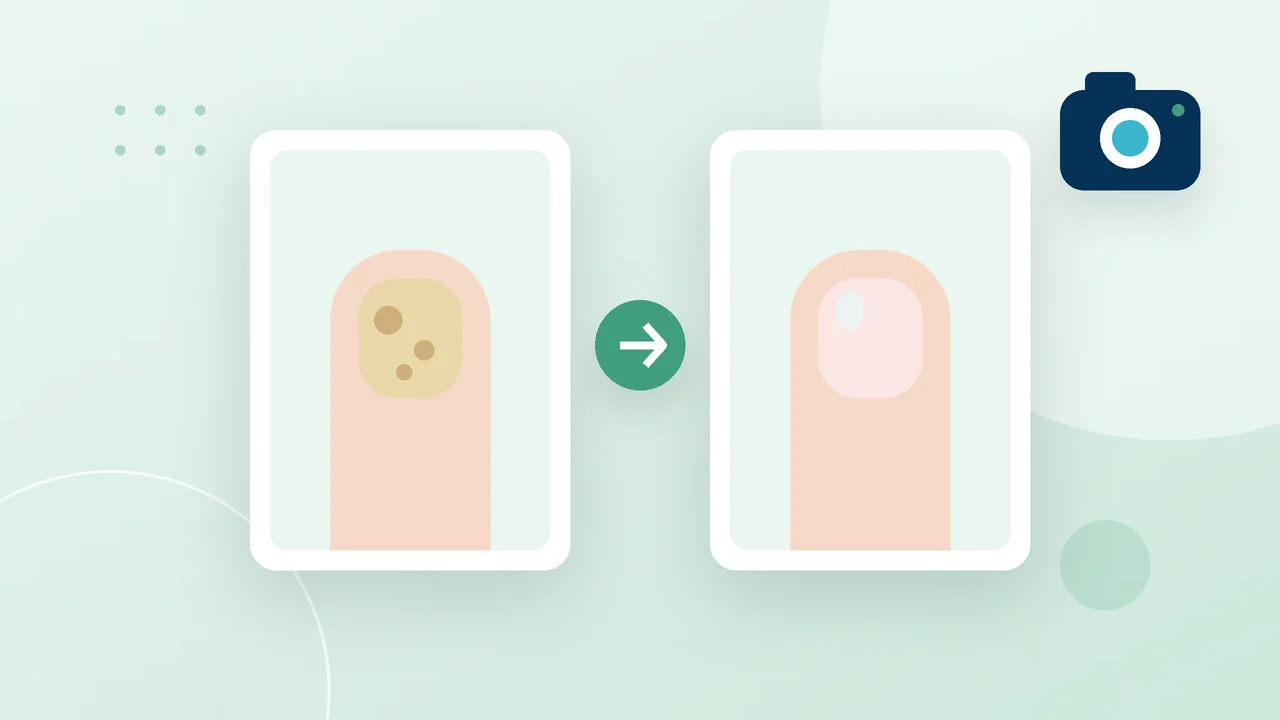
In these cases write the plan in more detail and say which of today's photos show the situation, so the next reader knows what to look at and what to compare.
Write it before the client leaves
Write the conclusion right after the procedure, while the details are fresh. Left until the evening, five clients blur into one. One habit that works well is to finish it while the client puts their shoes back on and read the plan aloud. The client hears the advice once more, and you can fix anything that sounds wrong.
How this works in PodoCard
In PodoCard the conclusion is one of the six sections of a visit, next to the feet, toes, fingers, correction systems and photos, and it holds up to 10,000 characters. The whole team can see visits, but only the specialist who created a visit can edit it, so the record stays as it was written. In the mobile app a new visit is pre-filled from the previous one, so you start by updating last time's notes.