


A good record is what makes the second visit easier than the first. When you open the card, you should see within a minute what was done, what has changed and what you planned — without trying to remember or leafing through notebooks. Here is a checklist that works for most podiatry appointments.
Health details before the first procedure
Some conditions change the way you work: diabetes, blood clotting disorders, varicose veins, infectious and skin diseases. Ask about them at the first visit and update the record whenever the client mentions something new. Note the foot size too — it comes in handy when you recommend footwear or orthoses.
In PodoCard these are 14 checkboxes in the client's health details, plus fields for the foot size and notes.
The condition of the feet
Write down not only what you treated, but also what you saw: corns, cracks, warts, calluses, keratosis, dry skin, hyperhidrosis, signs of flat foot or valgus deformity. Note exactly where the problem is — “a callus under the second metatarsal head of the left foot” is far more useful three months later than just “callus”.
Every nail separately
Nail problems rarely affect all ten toes the same way. Record the digit and the finding: onycholysis, ingrown nail, onychomycosis, dystrophy, deformation, hematoma. A short note next to it — the length of the affected part, the colour, the thickness — lets you compare honestly at the next visit.
Correction systems
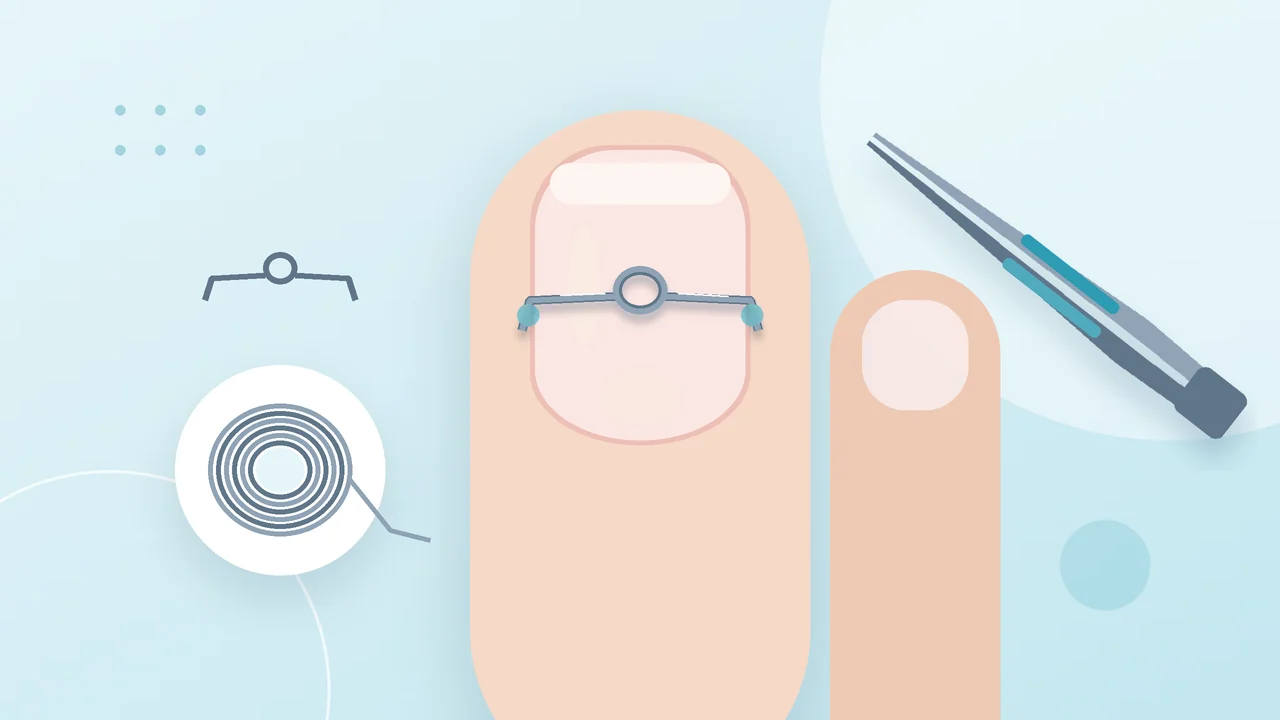
If you installed a brace or a wire, record which system it is, on which toe, in what state and with which parameters — the wire diameter, for example. At the next correction you will know exactly what you are working with, even if a colleague installed it.
Photos
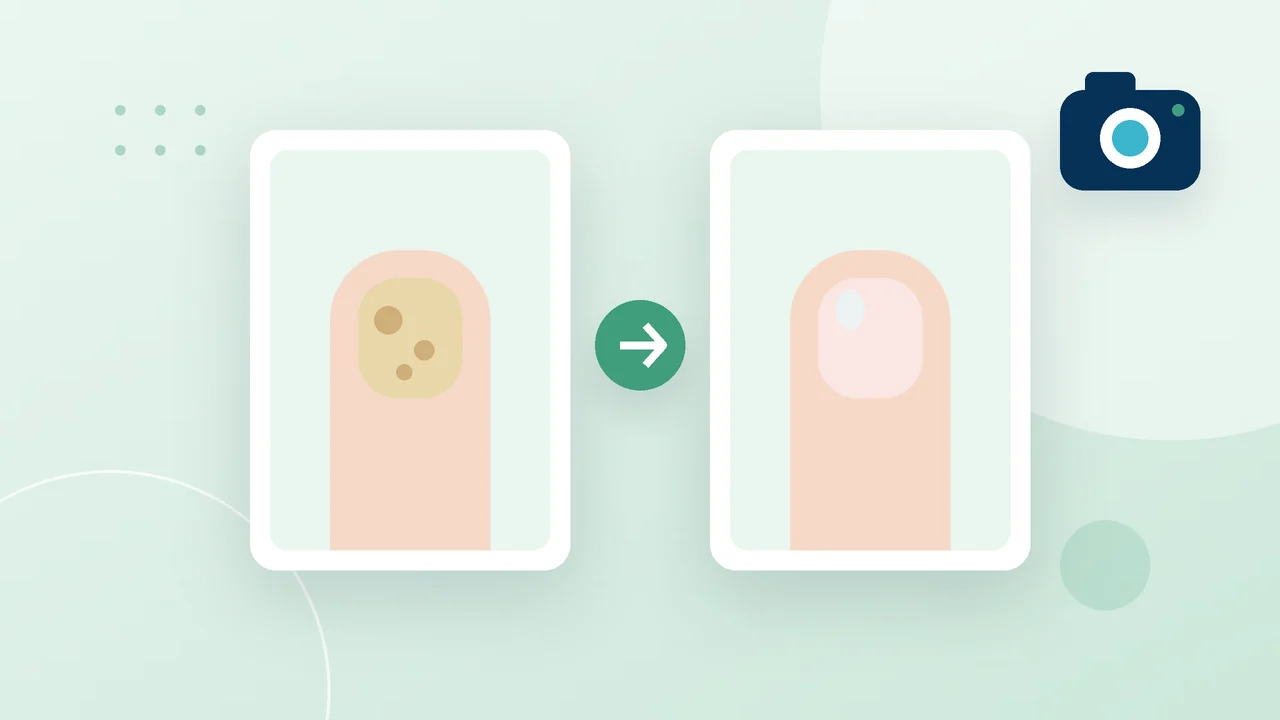
Photos are the most objective part of the record. Take them at the start of the visit, before any work, and from the same angles every time — then they can be compared months later. How to make them consistent is covered in our article about before-and-after photos.
Conclusion and plan
Finish every record with a few lines: what was done, what you recommended (home care, footwear, a visit to a doctor) and when you expect the client back. This is the first thing you will read next time.
A checklist for the visit
- Complaints in the client's own words, and since when.
- Changes in health since the last visit.
- Feet: findings and where exactly they are.
- Nails: digit, finding, a short note.
- Correction systems: system, toe, state, parameters.
- Photos before the procedure.
- What was done, recommendations, the next visit.
A visit in PodoCard is made of exactly these sections — feet, toes, fingers, correction systems, photos and conclusion. In the mobile app a new visit is pre-filled with the data from the previous one, so you only mark what has changed.