What happens to a client's history when the podiatrist who looked after them leaves your practice? If the records were kept properly, nothing bad: a colleague opens the card, sees where the last specialist stopped and carries on, and the client hardly notices the change. If the records were patchy, the client walks in for their next appointment and the new specialist has to start from scratch, asking questions the client already answered months ago. The difference is mostly made in the last few weeks before someone goes, and in the first few weeks after.
People leave for all sorts of reasons: a move, a new job, a baby, their own studio. You usually get a few weeks of warning, and that is enough time to plan a handover that keeps the clients with the practice and their care going without gaps.
Before the last day: close the loose ends
Sit down with the colleague who is leaving and go through their clients together. You do not need to review every client. Someone who came in once for a routine treatment two years ago can wait. The ones to look at are the clients in the middle of something: a course of treatment, a nail correction, a problem that was being watched from visit to visit.
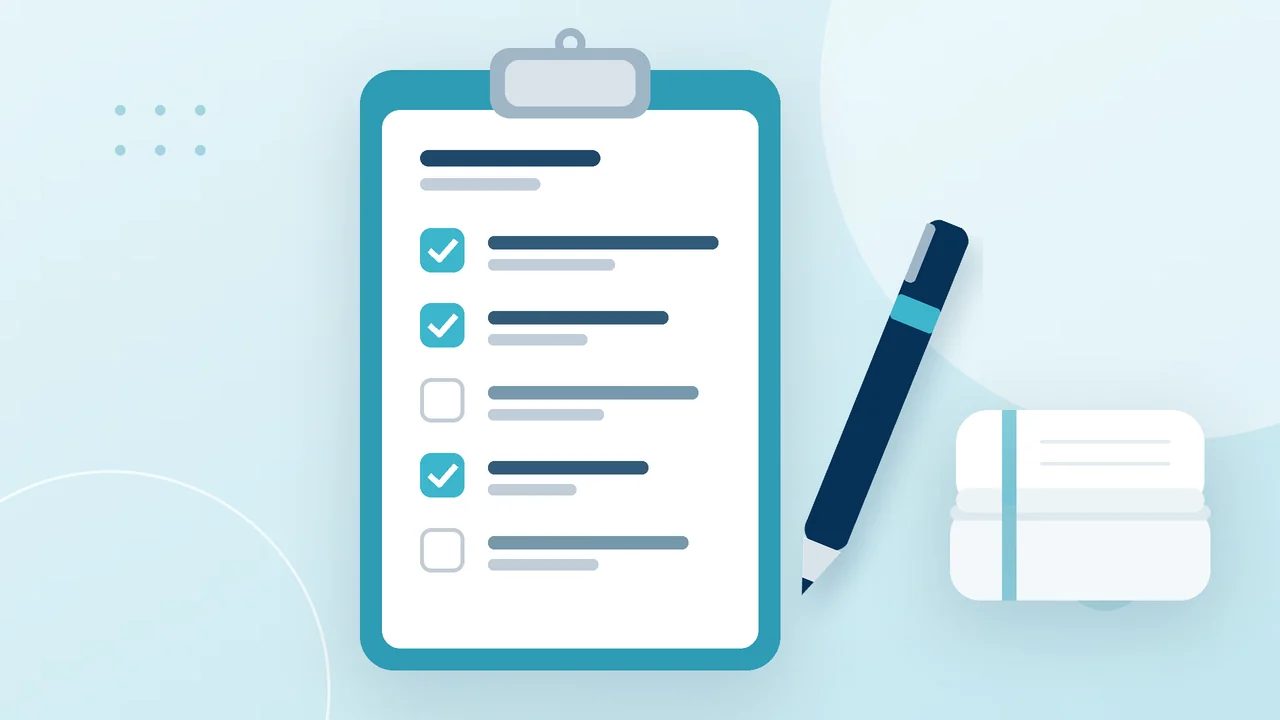
For each of those clients, check the record while the person who knows them best is still around. Ask them to look at it the way a stranger would. A few things are worth checking:
- Does the last visit have a conclusion that says what was done and what to check next time? Short notes that made sense to the author can be a puzzle to anyone else.
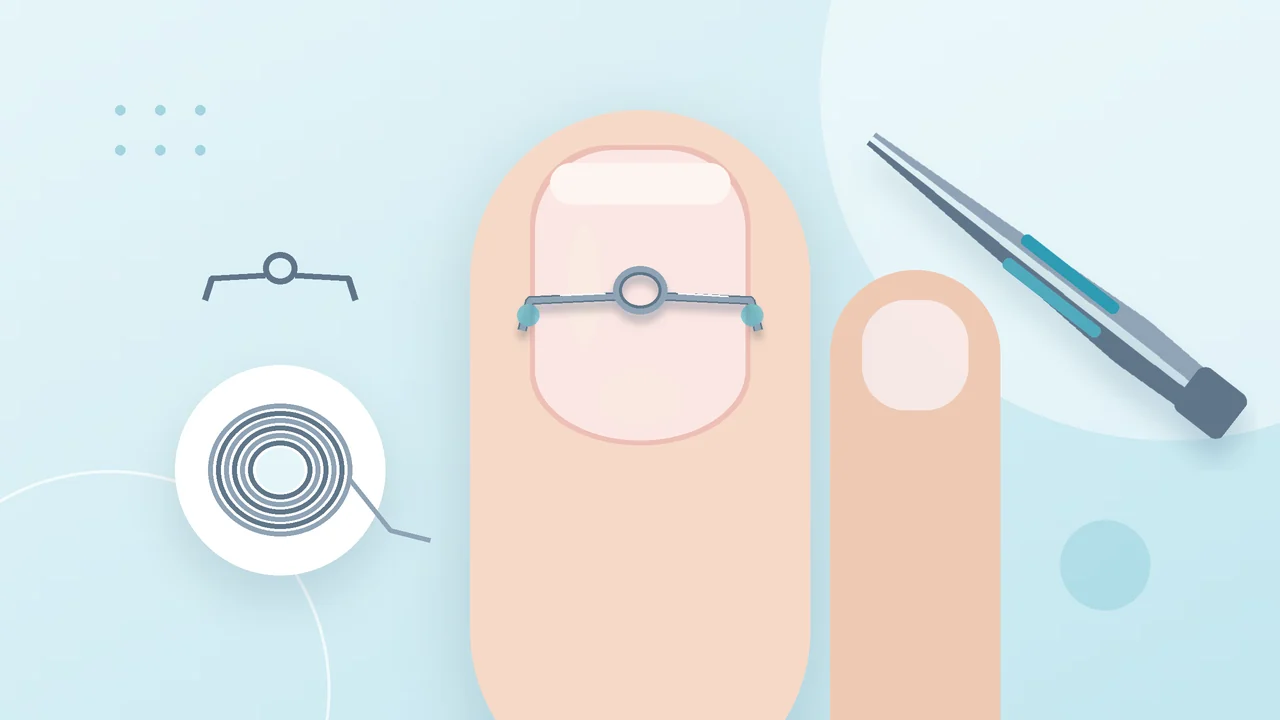
- Are open nail corrections clearly recorded: which digit, which system, its current state and any details such as the wire diameter?
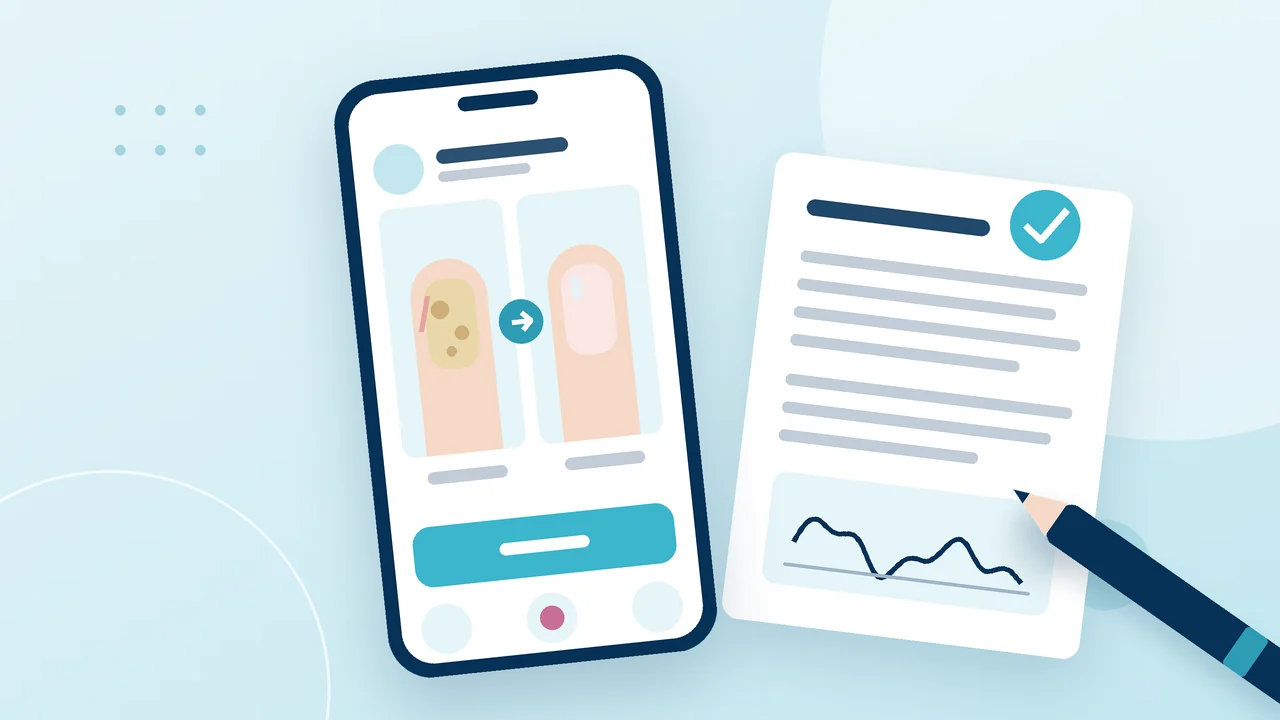
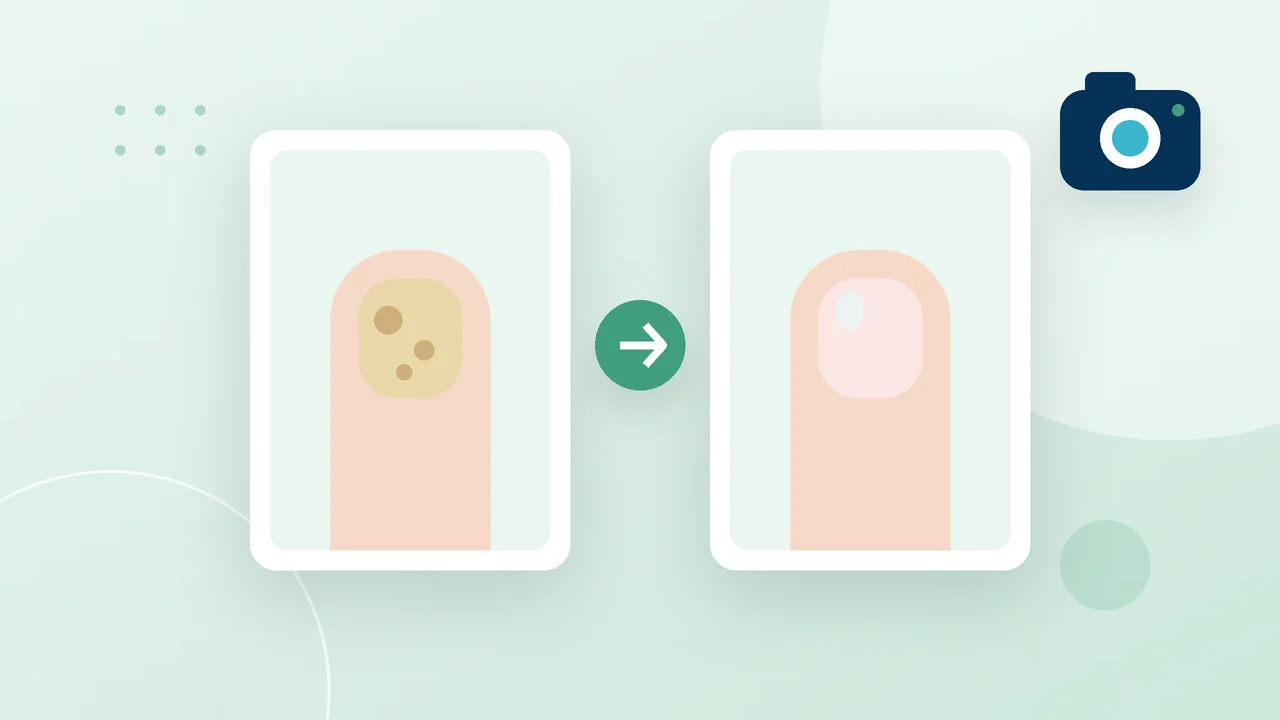
- Are the photos attached to the right visits, so a colleague can compare how things looked then and now?
- Is the health history up to date? If the client mentioned a new medicine or a diagnosis in conversation, it should be in the card, not in someone's memory.
- Are signed consents and the documents the client brought in stored in the card?
This is also the moment for the informal knowledge that never makes it into a record. Maybe a client gets nervous about instruments, or always prefers an early slot. Some of this belongs in a short note in the card. Some of it can simply be passed on in a conversation with the colleague who will take over.
Decide who takes which client. Spreading them across the team by availability is fine, but for clients in the middle of a correction or a longer course it helps to choose one person and stick with it. That person should read the last few visits before the client's next appointment, ideally while the colleague who is leaving can still answer questions.
Think about how clients will hear the news. Many of them have a personal relationship with their podiatrist and will want to know who sees them next. A short message from the practice, sent before the change, is kinder than a surprise at the reception desk. Agree on who sends it and what it says, so that clients get one clear message instead of two different ones.
One thing to discuss openly: client records belong to the practice, not to the specialist. Most people understand this, but it is better to say it plainly before the last day than to argue about it afterwards. If the colleague is opening their own studio and some clients choose to follow them, that is the client's choice. The history of their past visits in your practice still stays with you.
On the day they go
Close their access on their last working day, while it is still on your list. Nobody is accusing anyone of anything here. An unused login is just an open door: the password never gets changed, and sooner or later a phone gets lost. Client records include health information, and people expect it to be seen only by those who are treating them.
In PodoCard you do this with the toggle next to the staff member in the list. Their access closes, while every visit, photo and note they made stays with the company, so nothing disappears from the client cards. If the person comes back later, for example after parental leave, they can be switched on again on the Team plan and will find their work where they left it.
A few more small things for the same day:
- Check that the colleague has no unsaved visits or half-finished records left on their device.
- If they used a work phone or tablet, make sure work photos do not stay on it.
- Update any place where their name appears as a contact for clients, so that messages and calls reach someone who is still there.
The weeks after: who picks up their clients
The first visit with a new specialist matters more than usual. The client is comparing. If the new podiatrist clearly knows the history, asks about the brace that was fitted last time and remembers the client's diabetes, trust carries over. If they start with "So, what brings you here?", the client may start looking elsewhere.
So the colleague who takes over should prepare by reading the last two or three visits with their photos, and the health history. In PodoCard the whole team sees the same client base, so the departed colleague's visits are still there to read. In the web version, the "Employee clients" button in the staff list shows the clients of a particular staff member, which is a handy starting point when you are dividing their work.
Keep in mind who can change what. A specialist can only edit their own visits; the visits of other colleagues open for viewing. That is useful here: the history stays exactly as it was written. If something in an old record is clearly wrong, an administrator, a manager or the owner can correct it. Everyone else simply adds a new visit with the current picture.
During that first appointment, it is fine to be honest with the client. Something like "I've read your history, and I'd like to have a look myself before we carry on" is reassuring. It shows you have done your homework and still want to see for yourself. If you see things differently from your colleague, say so calmly and write down what you found and why.
Some clients will not book again. A few weeks after the departure, check whose regular visits have stopped. A short, friendly message from the practice that tells them who will see them now often brings people back. They usually did not leave on purpose; they just were not sure whom to book with.
Finally, look back at the handover itself. Which records were easy to pick up, and which ones needed a phone call to the person who left? The answer says a lot about your everyday notes. The habits that make a handover painless are the same ones that help on an ordinary Tuesday, when a colleague is ill and someone else has to see their clients at short notice.