Two podiatrists look at the same foot and write two different records. One notes "callus, left heel", the other writes "dry skin, cracks on the heel". Both may be right, but three months later nobody can tell whether the heel got better, got worse or was just described in other words. The fix is to record the same findings in the same place and with the same words at every visit.
What a consistent record gives you
A short description written the same way each time is easier to use later than a long one written differently every visit. With consistent records you can:
- see at a glance whether a problem is new or was there before;
- notice slow changes, such as a nail that thickens a little over several visits;
- hand a client over to a colleague without a long conversation;
- show the client what has changed using their own history instead of memory.
When one visit says "keratosis" and the next says "hard skin", the record reads like two different stories, even if it is the same patch of skin on the same foot.
Agree on terms within the practice
Most of the confusion comes from vocabulary. A corn, a callus and keratosis can overlap, and specialists draw the line between them in different places. Before you think about forms or software, agree on a few simple rules:
- Use one term for each finding. Decide which word means what, and if a colleague prefers another term, settle it once so it does not come up at every visit.
- Start with the location. Write the foot, the zone and the toe before the description: "right foot, second toe" is easier to compare later than a sentence that mentions the toe at the end.
- Keep the same order, for example feet, then toes, then fingers, then anything installed. With a fixed order nothing gets skipped on a busy day.
- Put what a tick cannot show into a short note next to the finding: size, colour, pain when pressed, what the client says about it.
These rules help even if you work alone, because months later you will be reading your own notes without remembering the visit.
Use a scheme instead of free text where you can
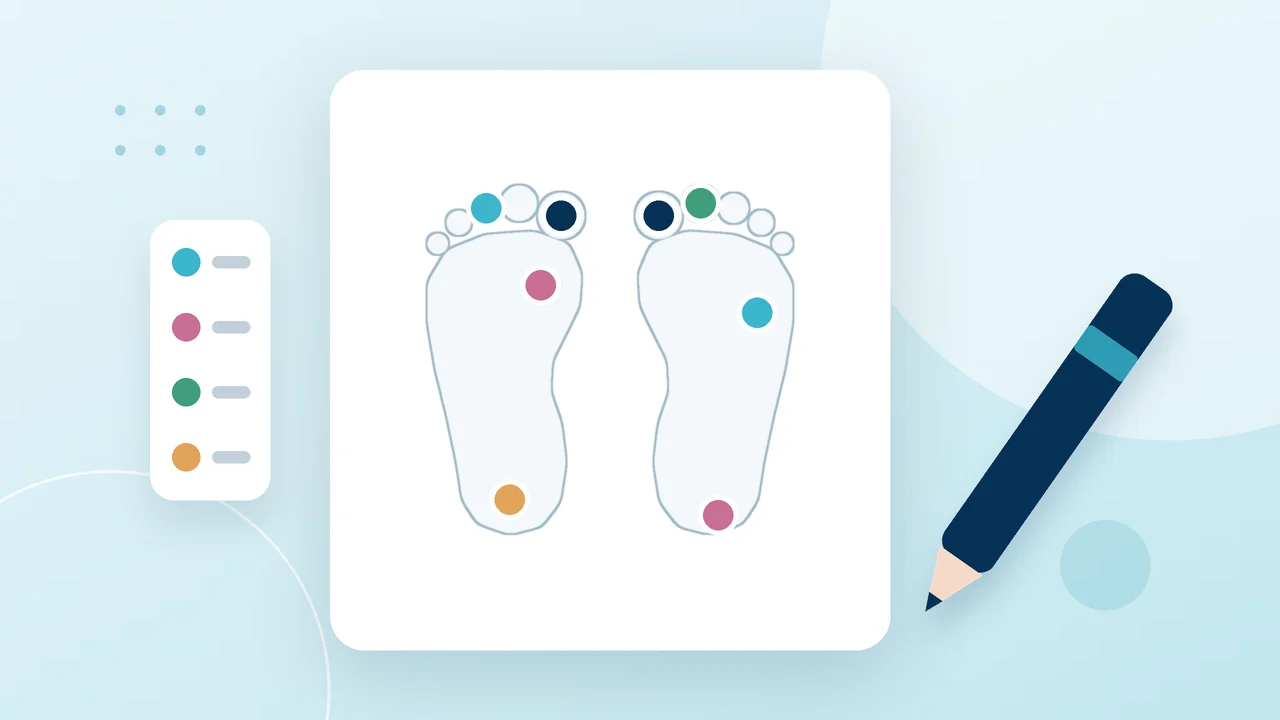
Free text is flexible, but it is hard to compare between visits. A foot scheme with fixed marks gives you less freedom and is much easier to read over time. If the same corn is marked on the same spot of the drawing each time, you see it immediately without reading a paragraph.
A few habits make the scheme work:
- Mark what you see today. If a crack has healed, remove the mark instead of leaving it "just in case".
- Mark each digit separately. Nail changes rarely affect all toes in the same way, and a general note like "nails thickened" hides which ones.
- Keep the general condition of the foot apart from single findings. Dry skin or flat feet describe the whole foot, while a wart or an ingrown nail belongs to one place.
- Add a note only where the mark alone does not say enough.
Review data copied from the previous visit
Copying the previous visit saves time, and for a regular client most of the picture really is the same. The risk is that copied data starts to look like a fresh examination. A finding that went away two visits ago can stay in the record simply because nobody removed it.
When a visit starts from the previous one, go through each section while the client is still in the chair and confirm or change it. For every copied mark, ask yourself whether you can still see it today.
Check the record before the client leaves
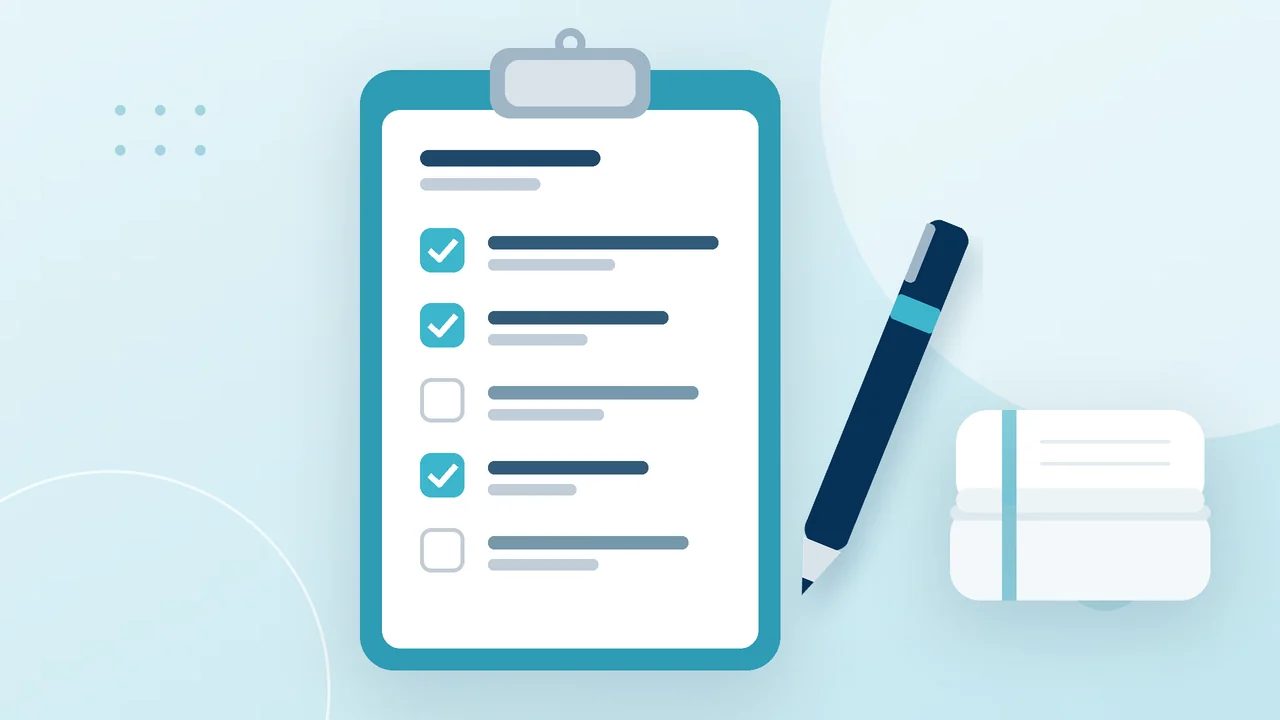
At the end of the visit you can still look at the foot, so it is the last good moment to fix the record. Take half a minute to read through what you marked:
- Is every finding tied to a specific foot, zone or digit?
- Do the words match the ones your practice agreed on?
- Is anything left over from the previous visit that you did not see today?
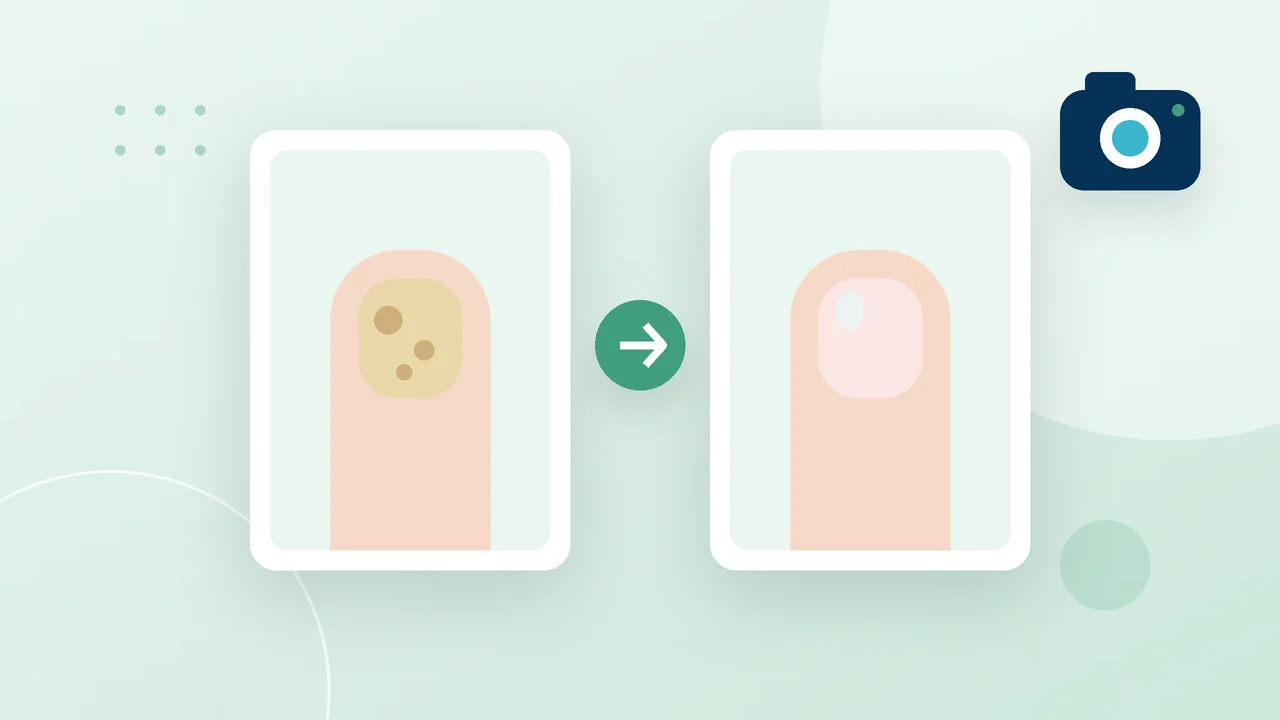
- Is there a photo of anything you will want to compare later?
- Has every section been saved?
How this looks in PodoCard
In PodoCard a visit has fixed sections for feet, toes, fingers, correction systems, photos and the conclusion. Corns, cracks, warts, keratosis and calluses are marked on a foot scheme, and each toe and finger has its own marks, such as onycholysis or onychocryptosis, with a short note. The mobile app pre-fills a new visit from the previous one and tells you it has done so, which is a good prompt to go through each section before you save.