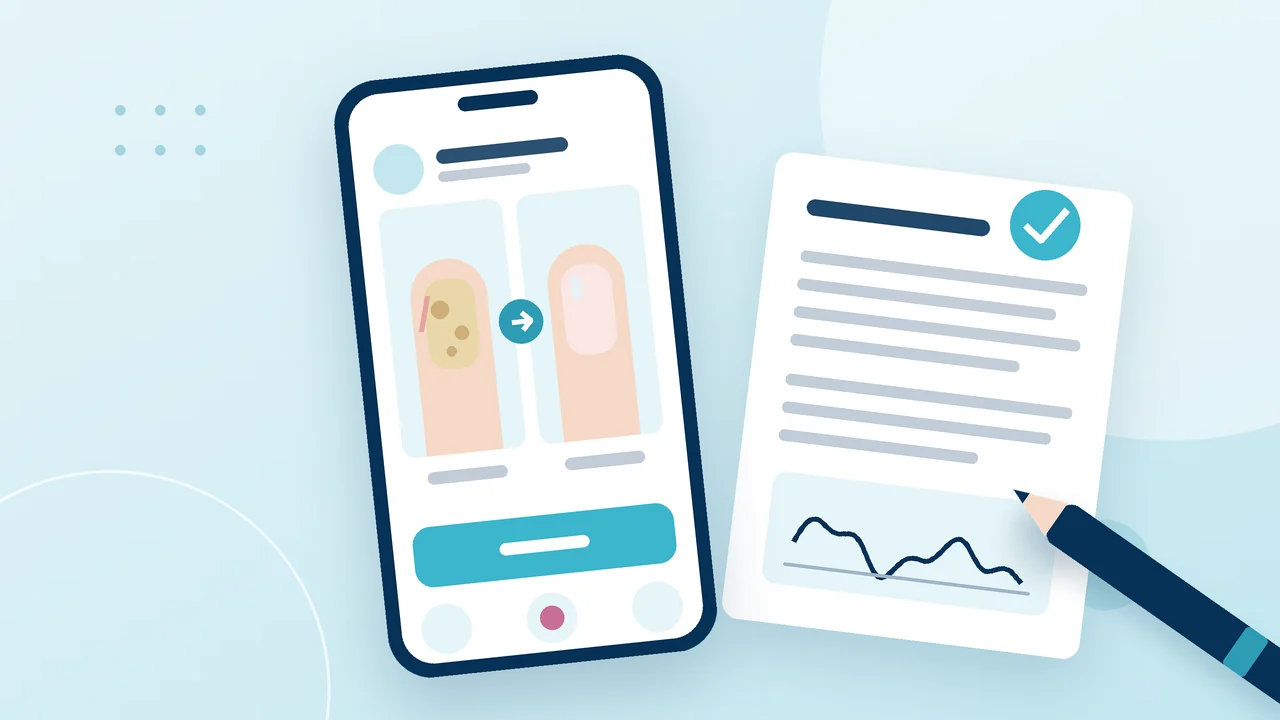
A client came three times in spring, had a good course of care, and then stopped booking. Nobody in the practice noticed until autumn. Every podiatry practice has clients like this, and usually there is no bad reason behind it. People get busy, or their feet feel better and the next visit slips their mind. Some of them, though, were halfway through something that matters, and a short message at the right time would have brought them back. The visit records you already keep tell you who to contact and what to say.
Not every gap means the same thing
A client who came once for a pedicure two months ago is a different case from a client whose nail correction brace was due for a check-up five weeks ago. Before you contact anyone, sort the quiet clients into rough groups:
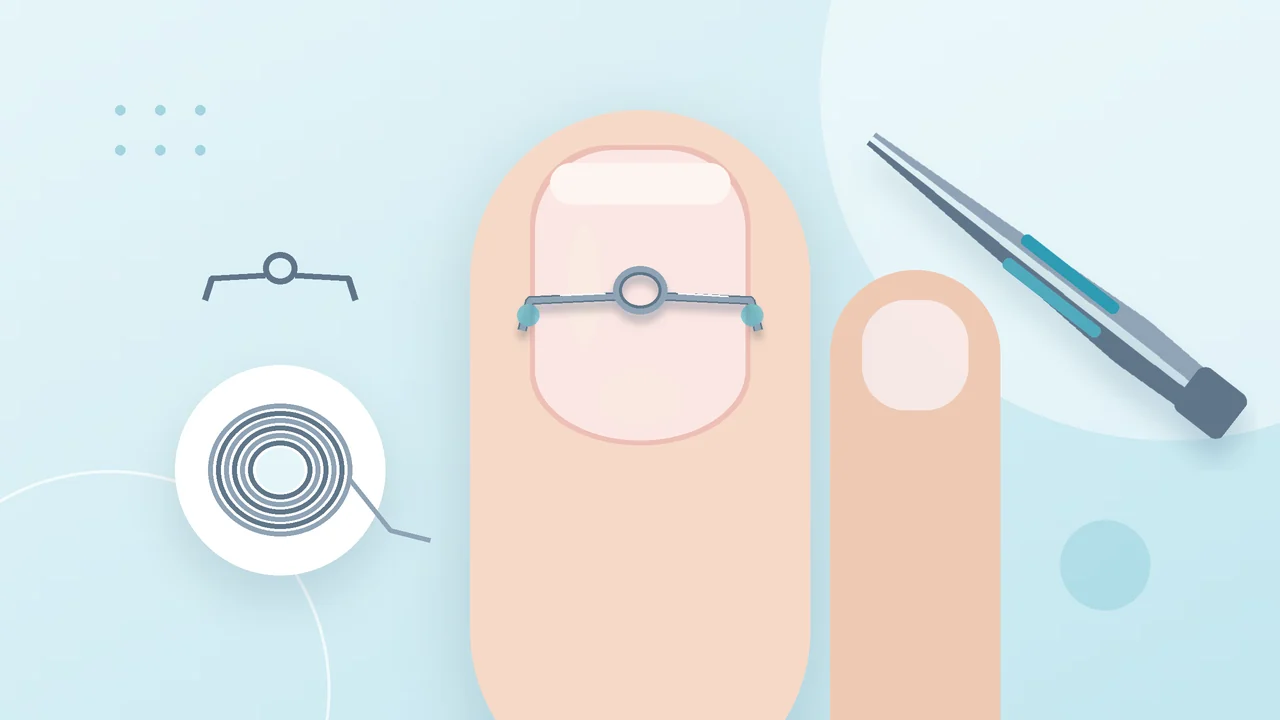
- clients in the middle of a course: a correction brace, a nail under observation, a problem you asked to see again;
- regular clients whose usual interval has passed;
- one-time clients who came for a single procedure.
Start with the first group, because a missed check-up there can leave the work you started unfinished. Regular clients usually need only a friendly reminder. One-time clients may never have planned to come back, and you do not have to chase them.
Read the last visit before you write
"We miss you!" is easy to ignore. A message that mentions what happened at the last visit sounds like it came from the person who treated them. So open the client card first and look at the last record:
- what you found and what you did;
- what you advised for home care;
- when you asked them to come back, if the conclusion says so;
- any correction system that is still in place.
It takes a minute. It also saves you from awkward mistakes, like inviting someone for a routine pedicure when their record shows a brace that should have been checked weeks ago.
This is one more reason to write a clear conclusion every time. If the record says "see again to check the brace", anyone on the team can tell later that the client is overdue. A record without that line gives nobody a reason to look.
Who contacts the client and how
Settle this once for the practice, so it does not depend on who happens to remember. In many practices the front desk or the owner sends these messages, and the specialist just says who needs one. Keep the message short and personal:
- greet the client by name;
- give the reason in one line, such as the brace, the nail you were watching or their usual interval;
- offer a simple next step, for example replying to pick a time;
- leave it open, without pressure.
Write through the channel the client already uses with you. If someone has asked not to get messages, respect it and note it in their card, so a colleague does not write to them again next month.
When the client answers
Some clients book right away. Others explain why they stopped: they moved, found a specialist closer to work, money was tight, or they thought the problem was solved. Write the reason in the client card. After a few months these notes start to show a pattern. You may find, for example, that clients often drop off after the second visit of a correction course, which can mean the plan was not explained well enough at the start.
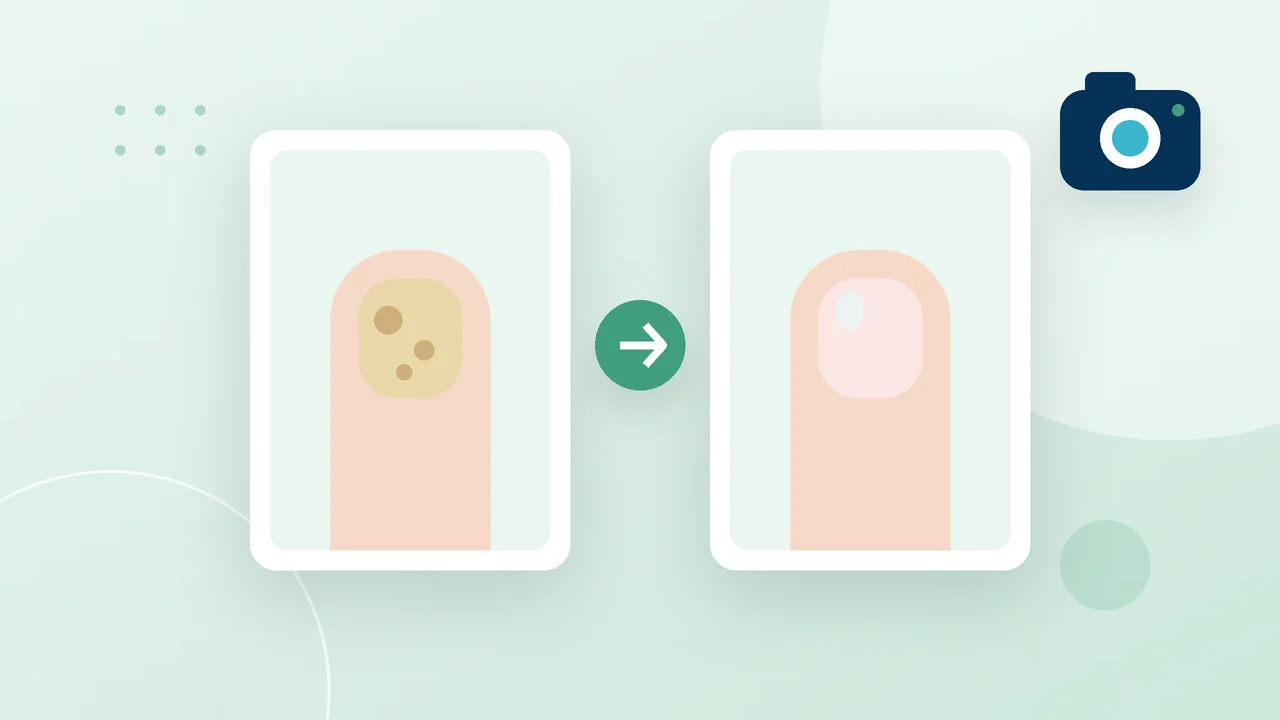
If a client says the problem came back or got worse, assess it again at the next visit and compare with the earlier records and photos instead of picking up where you left off.
Making it a weekly habit
Follow-ups are easier as a small weekly job than as a big clean-up twice a year. Pick a fixed time, open the list of clients who have not visited for a while and go through the first few. For a small practice, ten minutes a week is usually enough.
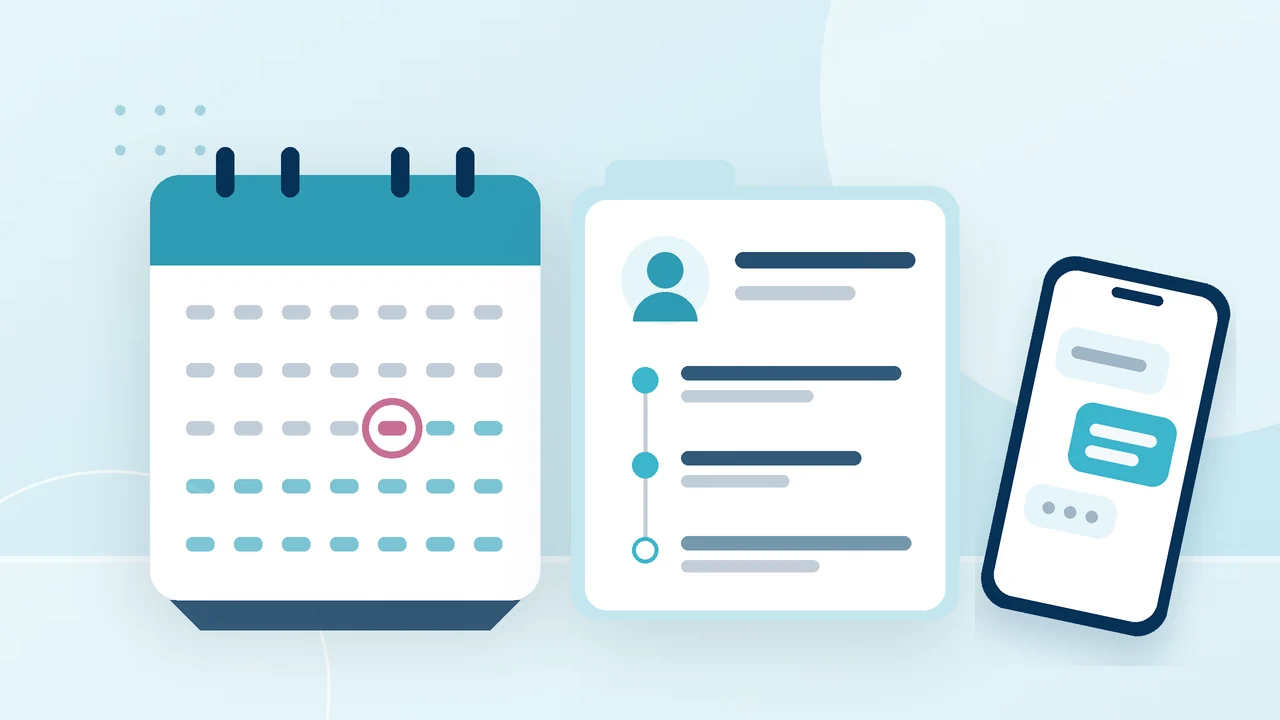
In the web version of PodoCard, the dashboard has a reminder card for clients who have not visited for a while (30 days or more by default), next to the cards for clients without signed consents and for birthdays this week. Each client card keeps the full visit history, so the last record is one click away. Contacts are visible to the owner, the manager and the administrator, which suits a setup where the front desk sends the messages and the specialist decides who should get one.